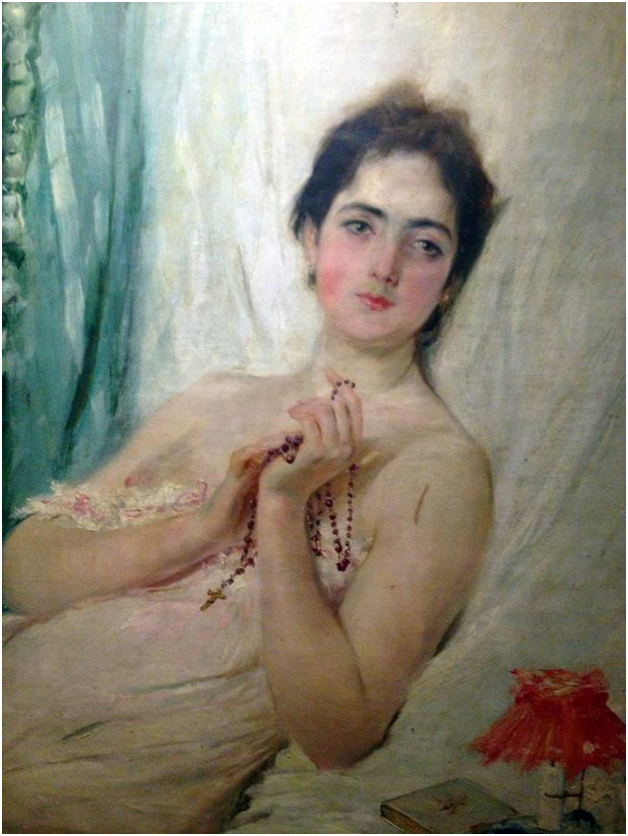
One of Juan Luna’s well-known paintings, the Mi Novia, is said to have cursed every person who had owned it before it was given to the National Museum. Don’t worry; you won’t be harmed by just looking at the piece on your museum visit.
Source: https://8list.ph/philippines-urban-legends/#read-more
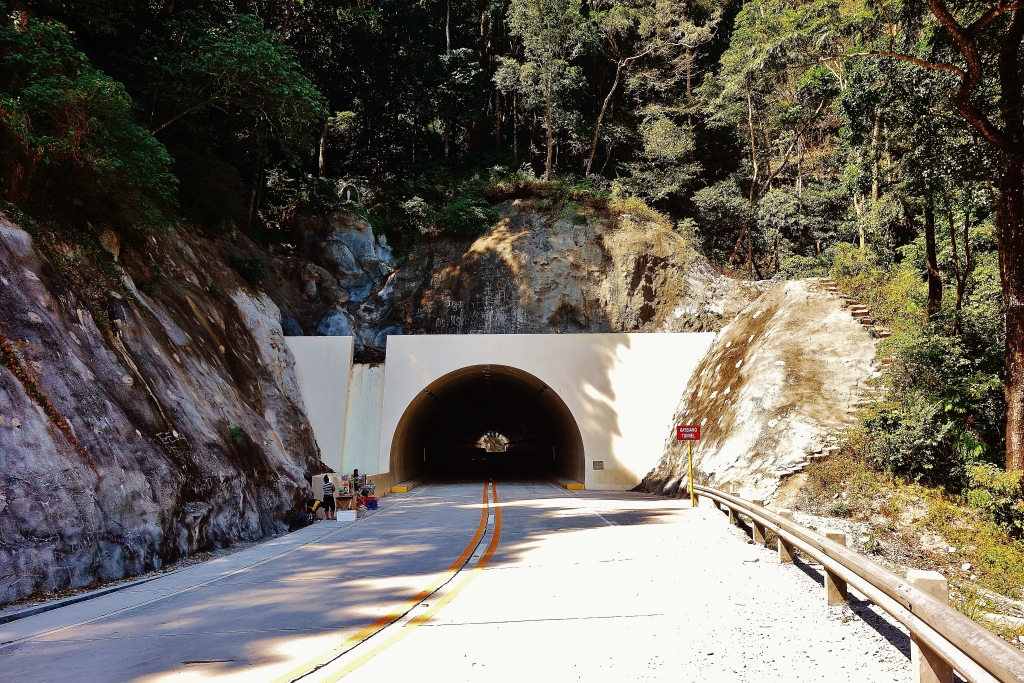
Take care when passing through Kaybiang Tunnel of Ternate, Cavite to enter the so-called Barrio ng Aswang. As one story goes, a group of friends went to the barrio but was disturbed by the ominous aura that emitted from the locals. When they ventured back home, one of them had become cursed by an aswang that had to be purged from him with the help of an abularyo. You’d hear a lot of ghost stories about the haunted barrio. If you’re brave enough, try going there to see for yourself just how haunting it is!
Source: https://8list.ph/philippines-urban-legends/
Why it's creepy: The name sounds kind of goofy, or actually even kind of like Goofy. But if you find yourself at 65 Mulberry Street, in the middle of the minuscule Arkansas town of Quitman, you won't laugh if you see the hulking outline of a 300-pound half man, half beast -- complete with glowing animal eyes -- glaring out of the windows. Walk quickly, as he has been known to chase people down his street, biting at their heels -- kind of like a dog, actually.

Where it came from: This is actually the rare urban legend where the story behind the story ends up being even creepier than the folklore. Gerald Bettis, the only son of the Bettis family of 65 Mulberry, was always a problem child. But not in the cute, Junior Healy way. Bettis would "collect" and torture animals (hence the "dog boy" moniker), before turning his sociopathic focus to his elderly parents, allegedly imprisoning them in their own home and potentially even murdering his father. Eventually, Bettis would be imprisoned for growing marijuana on his back porch and would die in a state penitentiary in 1988 of a drug overdose. -- WF
Source: www.thrillist.com

Why it's creepy: It's easy to feel uneasy while driving through the desolate desert roads of Arizona, especially at night, and particularly so when you hear a short burst of taps on your window while cruising at 60 mph and turn to see the shapeshifting, mutilated, half-human creature responsible for the high-speed interruption. Relax -- it's only trying to rip the flesh off your bones. This legend is so ingrained in Arizona culture that, when a Navajo woman was found brutally murdered in Flagstaff, the accused killer's defense in court was that the attack could have only been perpetrated by a Skinwalker. There's even a defined and well-documented portion of the state known as Skinwalker Ranch where you are most likely to see one of the creatures. Not that you'd actually want to.
Where it came from: The Skinwalkers, like so many ancient American urban legends, have roots in Native American folklore. While it's fairly hard to gather specific details -- as speaking of potentially sinister legends is seriously taboo in Navajo culture -- it is understood that what non-Navajos refer to as "skinwalkers" are witch doctors who have become an evil reflection of everything the Navajo nation values. Basically, they are men who've transformed into malevolent, murderous creatures that have no qualms using their spiritual powers to kill. Navajo medicine men are trained to learn both good and evil aspects of their power, and Skinwalkers are those who have turned to the Dark Side. It's all very Star Wars. And, frankly, still terrifying. -- Wil Fulton